Tuesday, 6 January 2026

What 3 Words Will Help You Succeed in 2026?

This is my thirteenth year of using Chris Brogan's "My Three Words” planning exercise to achieve my annual goals. It helps me take stock of the past year, set goals for the next, and identify what I need to do differently to earn them.

Chris’s approach is a simple and effective way to stay focused on your priorities as you manage your commitments and the distractions vying for your time. Here are the three steps you follow after setting your goals:

1. Identify how you must think and behave to achieve your goals. 
2. Select three words that will remind you to use these enablers. 
3. Display these words where you will see them daily (e.g., phone screen, monitor, mirror).


In last year’s post, I said, “This year is a big one for me.” It was. My goals were a mix of professional and personal aspirations. I committed to writing the first draft of my next book by December 31, to sleep better, and to appreciate my experiences, rather than speed through them. The three words I chose for 2025 were Daily, Sleep, and Savour


Daily
was about reaping the benefits of consistent effort. Specifically, I focused on daily writing, exercise, and a healthy diet. My mantra was “consistent action,” which pushed me to write, work out, and eat well daily.

I worked on my new book every day, and submitted my manuscript a month early, which felt great. I went overboard with exercise in the first six months, working out seven days a week. It may sound admirable, but I didn’t allow my body to recover, which caused injuries. I snapped out of this habit after watching a Mark Wahlberg TikTok clip where he said, “I am training smart now…I put as much emphasis on rest and recovery as on intensive training.” I dropped to five days a week and am injury-free.

I learned that the cost of regimentation is flexibility, variety, and excitement. As the year progressed, I tried to imagine living the rest of my life following rigid routines. I felt like a robot on a mission, trading spontaneity and adventure for accomplishment. Having a “no misses” mindset took some of the life out of living. I realize that goal achievement is a dynamic process that flexes with your changing environment.

Sleep was about improving the quality of my rest. I track my sleep scores nightly on my Garmin watch, which are rarely good. I didn’t know there were so many ways to have a poor night’s sleep. Most mornings, I read reports highlighting poor REM or deep sleep, awake time, or an imbalanced sleep pattern.

I pounced on this goal on January 1, adopting the regimens recommended by experts like Peter Attia (Outlive) and Andrew Huberman (Huberman Lab podcast). The good news is that I improved my nightly average sleep score from 69.0 to 71.7. The less-than-good news is that each score was a mystery. Some mornings I felt great after a poor score and vice versa. With little correlation, I didn’t know what to improve.

My big learning was that regardless of the routines I followed – consistent sleeping and waking times, no caffeine after 11 am, melatonin before bed, etc. – stress remained a disruptor. Working through problems or worrying about them decimated my REM and deep sleep scores. I learned a good lesson about fully assessing opportunities and taking on too much.

Savouring my experiences was harder than it sounds. Focusing on the present while multiple deadlines loomed in the future was a constant challenge. My son, Sam, introduced me to a self-awareness app called “Waking Up,” which helped keep me grounded in the present. When I was stressed, I used the app less, which reinforced my future-based thoughts at the expense of my attention and appreciation. I have more work to do in this area.

My goals for 2026 are focused on publishing my next book. When People Throw Wrenches is scheduled for an early October release. The three words I have chosen to realize my vision are Instinct, Circle and Pause.

Instinct is about following my gut throughout the editing and design process. There are many editing, layout and promotion options, and, just like a high-stakes change initiative, it is easy to lose focus on what you set out to do. Decisions have to feel right as well as factually be right.

Circle refers to the circle of influence I have through the publishing process. There will be restrictions outside of my control that I will need to roll with. As the Stoic Epictetus said, “Make the best use of what is in your power, and take the rest as it naturally happens.” I am conscious of how much time and emotion I invest in things I can’t control. Not this year, if I am successful.

Pause refers to creating space between new information and my response to it. The isolation that comes with writing was making my beliefs feel fixed, which is ironic, given that my book is about managing behaviour during change. I must switch back to openness and possibility as I partner with an expert publishing team. Their creativity, guidance, and changes will produce the book I aspired to write

The My Three Words exercise helped me achieve my 2025 goals, deepen my self-awareness, and uncover behavioural lessons. It has also helped me define my three goals for 2026 and how I must think and act to accomplish them. A bonus benefit is that I am revved up and ready for another big year.

If you are looking for a way to set yourself up for success in 2026, the My Three Words process might work for you.

Phil


#My3Words #goals #goalsetting

Wednesday, 1 January 2025

What 3 Words Will Help You Succeed in 2025?

This is my twelfth year of using Chris Brogan's "My Three Words” planning exercise to enable my annual goals. Like most processes, the more I follow the steps, the better the results.

Chris’ approach is a simple and effective way of activating the mindsets, routines, and behaviours required to reach your goals. It also helps you avoid everyday distractions that halts progress. Here are the three steps to follow:

1.  Identify how you must think, act and behave to achieve your goals.
2.  Select three words that capture the essence of these enablers that will remind you of them.
3.  Place these words where you will see them daily (e.g., phone screen, monitor, mirror).

After years of practicing Chris’ goal-achievement process, prioritizing three goals and choosing a word for each works best for me. My words for 2024 were Mentor, Refine and Chef.

Mentor signified helping people achieve their goals or manage their challenges. Although I have been doing this casually for years, it wasn’t a goal I worked toward; I helped when asked but didn’t look for opportunities to do so. This year, my radar scanned for people in need who might benefit from my experience and skills. I helped more individuals in more ways, which demonstrated the difference that focus makes.

I realized that not everyone wants help, either because they are managing well independently or have support from others. Another learning was that commitment levels to goals are variable. I assisted someone who had finished his master’s degree and was looking for his first role in his field of study. He was interested, and I sprung into action. I created a plan, advocated on his behalf, and provided coaching through the application and interview stages. After six weeks, I realized I was working harder on his goal than he was. I stopped driving, waiting for him to take the wheel. He didn’t.

Refine was a prompt to fine-tune my daily routines. They include my diet, exercise, media consumption and nighttime wind-down. I had fun experimenting and tweaking my habits. For example, my best nighttime routine is working out at 9:30 pm, drinking herbal tea and reading before bed, and lights out at 11:30 pm. A bonus from this goal is that optimizing my life has become a habit.

Chef was about learning how to cook. I could prepare meals, but not varied or tasty ones. My goal was to create a repertoire of ten good meals. I started my quest by interviewing friends about how they learned to cook. Most said trial and error. My friend John sent me “How to Cook Everything” by Mark Bittman to kickstart my explorations. Instagram was my go-to source for recipes because videos accompanied most. I tried 32 recipes, with many passing the “Would we have it again” test judged by my wife and me. 

We also signed up for the Chef’s Plate/Hello Fresh meal kit service in July. Following the recipes was harder than I thought because it required ingredient organizing and multiple dish coordination. Now, it is fun to think of what we will eat tonight, and I get excited about kitchen-related gadgets. I am proudest of achieving this goal because I had avoided it for many years. I felt like I was getting my driver’s license decades after turning sixteen.

2025 is a big one for me. The three words I have selected to achieve my goals are Daily, Sleep and Savour.

Daily is about reaping the benefits of consistent effort. Specifically, it will support my commitment to writing ten minutes every day on my next book. I aim to complete the first draft by December 31, and I know from my first two books that writing must be my number one priority and every day counts. I will not sleep until I complete this daily task, which would compromise my second goal.

Sleep is about improving the quality and length of my rest. I track my sleep scores nightly on my Garmin watch, which are rarely good. I didn’t know there were so many ways to have a poor night’s sleep. Most mornings, I read reports informing me of my poor REM or deep sleep or that my sleep was imbalanced. In 2025, I will focus on managing my inputs to improve my outputs. Daily data will help me notch my score up from my current average of 69.

Savour is a reminder to enjoy every day to the fullest, even the challenging parts. Time is flying, and I want to live fully. Earlier in my career, there were times when I thought, “If only this difficult project could be over.” Now, I realize that the toughest times gave me the most growth (and the best stories). My goal is to live in the moment and appreciate what I am doing, no matter how difficult.

Over the holidays, I reviewed my past word selections, noting my successes, failures and learnings. It’s time to add to the lists by focusing on the present, thinking, and doing things to drive my success in 2025.

The My Three Words exercise has helped me achieve my goals by staying focused and resisting distractions. If that sounds good, what three words will help you achieve your goals in 2025?

Best wishes for a successful year!

Phil

#goalsetting #planning #personaldevelopment #change #leadership #management #business #my3words

Tuesday, 2 January 2024

What 3 Words Will Guide You to Success in 2024?


This is my eleventh year of using Chris Brogan's "My Three Words” planning exercise to enable my goals for the year. Each year, I learn as much about myself from the goals I fall short of as from the ones I meet.

Chris’s process is a simple and effective way of activating the mindsets, routines, and behaviours that will enable your desired achievements. Its power is in keeping you focused on the things that lead to your outcomes. 

Here are the three steps to follow:

1.  Identify how you must think, act and behave to achieve your goals. 
2.  Select three words that will keep your outcomes top-of-mind and trigger how to think and act.
3.  Place these words where you will see them daily (e.g., phone screen, monitor, mirror).

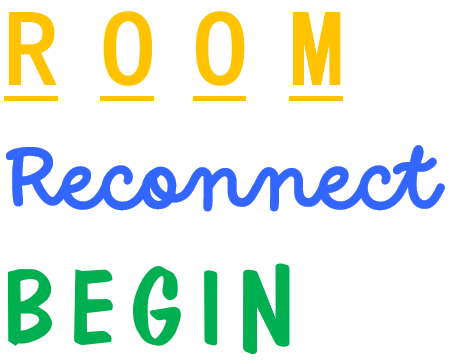
Prioritizing three goals and choosing a word for each works best for me. My three words for 2023 were Room, Reconnect and Begin.

Room signified holding time on my calendar to accommodate changes in my schedule. In March, I was booked for a kidney donor operation for a close friend, and this word reminded me to make room in my calendar for my recovery by reducing my consulting assignments and saying no to other activities. My planning saved me because a week before the date, I caught COVID-19, delaying our surgeries by three weeks. My lighter-than-normal schedule accommodated the change except for facilitating a virtual strategic planning session six days after the operation. Calendar flexibility has become a new habit.

Reconnect supported my goal of checking in with family members, friends, and former colleagues I hadn’t seen in years. I was conscious time was passing, and I hadn’t connected with many people I cared for. “Reconnect” was a powerful reminder to keep relationships alive. I will continue to do so.

Begin was a stimulus to move into new territory, both personally and professionally. The opposite of growth is stagnation, and I want to challenge myself to take on new experiences, build new skills and meet new people. I wanted 2023 to be a year of beginnings, and I intend to be in the right mindset to see and pursue them. This word was the least effective. I took on new clients in new industries and government agencies but was looking for more “newness.” In hindsight, “Begin” was too broad—begin what?

I am motivated to make 2024 another successful year. My goals are more personal than professional, and the three words I have selected to achieve them are Mentor, Refine, and Chef.

Last year, I dedicated time to helping people achieve their goals by providing feedback on LinkedIn profiles and HR-related advice. Some of these professionals were new to Canada. I loved the experiences and was happy to see people achieve their goals. Mentor will remind me to ramp up my support and find new ways to provide it. 

Refine is a reminder to fine-tune my routines. Early in my career, I discovered that my learning style is called “abstract conceptualization,” which means I learn by doing and create sequenced steps to achieve my goals. I am a process guy. I aim to refine the processes that keep me healthy, including learning, exercise, diet, and sleep. Experimenting like popular academics Andrew Huberman and David Sinclair will be fun. Let the experiments begin!

Chef is about starting a new hobby: cooking. The last hobbies I took on were running fifteen years ago and painting twenty years earlier.

Get-togethers over the holiday season reminded me of my culinary skill gap and desire to fill it. I realize chef is a grand term, but I want to push myself. The ability to make ten amazing meals feels like a good stretch goal. There may be some photos to share next year, and I know I will need to prioritize this personal goal or fail because there are no immediate consequences for ignoring it. Although this goal might sound easy, it is the one I am least confident in achieving. I will turn my trepidation into action.

Over the years, friends and associates have adopted the My Three Words approach after reading these annual blog posts. If it’s something you would like to try, what three words will guide you to success in 2024? I would be happy to mentor you through the process.

#goalsetting #planning #personaldevelopment #change #leadership #management #business #my3words

Wednesday, 4 January 2023

What 3 Words Will Guide You to Success in 2023?

It’s my tenth anniversary of using Chris Brogan’s “My Three Words” planning exercise to set myself up for success for the next year.  Like many, 2022 was a year of uncertainty, and this approach kept me focused on my priorities through most of the twists and turns I faced.

Here is how Chris’ technique works: After setting your goals for the year, select three words that will keep these aspirations top of mind and align your actions with achieving them. At the end of the year, assess their effectiveness before starting the process again, incorporating new learnings.  

2022 marked a fresh start after dedicating three years to creating my book, Change on the RunTo make good decisions about new opportunities, I chose words that would help me evaluate options.  My three words to guide me to success for the year were activate, breathe and outcomes.

Activate was about creating conditions where I could think objectively.  Being at the top of my game requires physical and mental regimens that are difficult to do consistently.  They include running, weight training, time for reflection and dedicated research.  It’s incredible what you can accomplish when you relentlessly stick to a plan.  My regimens gave me confidence through my assessments and dynamic client assignments.

Breathe refers to pausing before making commitments.  I have difficulty saying no to requests for change management support, which creates two risks: overextending my firm’s capacity and having to pass on new assignments that better align with my skills and expertise. Breathe was a reminder to pause and thoughtfully consider each opportunity before saying yes (or no).  It worked well until it didn’t.  In September, I fell into old behaviours and lost control of my calendar.  I quickly got back on track but suffered the consequences of my actions.

Outcomes prompted me to use consistent evaluation criteria for new engagements.  I was inspired by Marshall Goldsmith’s advice to “make sure that the benefits are truly worth your efforts” before doing something.  This word was a big help in defining and following a set of assessment questions for each opportunity.  I passed on a few speaking gigs and consulting assignments because they didn’t fit my parameters.

This year has been one of the best for pursuing my goals. Posting the three words on my monitor kept them top of mind except in the early fall when I let busyness distract me.  Next year I will also write them out daily, as recommended by Chris Brogan’s business partner, Rob Hatch.

I am looking forward to 2023. I have some exciting assignments, and I will be a kidney donor for a close friend.  My three words to guide me to success are room, reconnect and begin.

Room refers to holding time on my calendar to accommodate the rescheduling of commitments. I am conscious of the shifts I will make around my operation and client assignments, and I can’t inconvenience others through an overcommitted calendar. 

Reconnect reflects my desire to check in with family members, friends and former colleagues whom I haven’t seen in years. I have been thinking about Isaac Newton’s quote, “If I have seen further it is by standing on the shoulders of Giants,” and I don’t want to wait to say thank you. My Change on the Run podcast was an excellent vehicle for reconnecting with peers, and I intend to reach out to more people who have made a difference in my life.

Begin is a motivator to move into new territory, personally and professionally. The opposite of growth is stagnation, and I want to challenge myself to take on new experiences, build new skills and meet new people. This is a year for new beginnings, and I intend to be in the right mindset to see and pursue them.

Working through the My Three Words exercise has helped me define success for 2023. It has also given me tools to align my behaviour with achieving them. I know I will assess my accomplishments in December, and I am confident in my roadmap to accomplish my goals. 

Ten years of using the My Three Words planning exercise has helped me achieve many of my annual goals. You might want to try it to see if it works for you, and might even have a tenth anniversary, too.


#goalsetting #planning #personaldevelopment #change #leadership #management #business #my3words

Thursday, 20 October 2022

How to Respond to Praise


 This post's podcast episode is available at SounderApple PodcastsGoogle PodcastsStitcher and Spotify.

When you are short of time, here is the one action that will give you 80 percent results in 20 percent of the time.


DO THIS

Share the recognition with fellow contributors.


BY DOING THIS

– Thank the giver of the praise.

– Identify those who contributed.

– Specify the roles they played.


Change initiatives can be gruelling and can feel like a succession of uphill battles characterized by tight deadlines, difficult challenges, stretched capabilities, and long hours. Giving and receiving recognition energizes individuals and teams and builds momentum to tackle the next tasks and activities.

Acknowledgement for your hard work feels great. It’s tempting to accept it by saying, “Thank you, I have been working hard." The best response is to share praise with those who contributed to the success and detail how they contributed, which maximizes the distinction. Saying, “Thank you, we all worked hard to hit this deadline, and Tim and Sandeep created a focused plan to get us there,” broadens the recognition and signals that you are a humble leader. People will notice your thoughtfulness.

Round off your acceptance by connecting the team’s capabilities with future achievements. By saying something like, “We’re on a roll,” or “We’re ready for the next challenge,” you encourage the behaviours that got the results and create the momentum for success to become a habit.


KNOWLEDGE BITES


RECOGNITION PLANNER TOOL: How will I respond to praise?


Express gratitude:

_________________________________________________________________________

Who else contributed?

_________________________________________________________________________

What did they do?

_________________________________________________________________________


SUCCESS TIP

Keep a list of acknowledgements to motivate yourself and the team in challenging times and to create a project summary at the project’s end.


For more stories, insights and advice, listen to the Responding to Praise podcast episode with communication and corporate affairs leader Saira Absar.

Phil Buckley is the author of Change on the Run and  Change with Confidence, host of the  Change on the Run Podcast, and co-creator of the  Sharing Change with Confidence Newsletter.

#change #changemanagement #businesstransformation #leadership #projectmanagement #praise #recognition #podcasts 

Sunday, 2 October 2022

How to Negotiate Deadlines


This post's podcast episode is available at SounderApple PodcastsGoogle PodcastsStitcher and Spotify.

When you are short of time, here is the one action that will give you 80 percent results in 20 percent of the time.


DO THIS

Calculate the minimum time required and add a 10% contingency before setting a deadline.


BY DOING THIS

– List all required activities.

– Estimate the time required for each.

– Add 10% to account for delays and emergencies.


Project timelines include end dates of all activities and those of the tasks required to complete them. For example, new software training must be completed on the 30th because the system is going live on the 10th of the following month.

An inherent risk of interconnected deadlines is that one unrealistic deadline for an activity cascades through all the task deadlines leading up to it, regardless of how much time is necessary to complete them. It only takes one miscalculation to fail to meet a plan timeline. Many people respond to unrealistic deadlines with reckless optimism. They cut corners, eliminate steps or shorten timelines without understanding the impacts of their choices. Before they’ve even begun, they’ve added risk to their plan and are in jeopardy of failing.

The best timeline planning approach is to map out the minimum time required to achieve all your tasks and activities. These facts are your best defence against unrealistic expectations. You might not get all the time you need, but you will get more than the original estimate, and leaders will now co-own the time risks.


KNOWLEDGE BITES


MINIMUM TIMELINE PLANNER TOOL: What’s the least amount of time I need to complete my activities?


SUCCESS TIP

Don’t explain in detail why you did what you did. It’ll sound like you’re making excuses and take focus away from how you are fixing the mistake.


For more stories, insights and advice, listen to the Negotiating Deadlines podcast episode with executive and change leader Cathy Brown.

Phil Buckley is the author of Change on the Run and  Change with Confidence, host of the  Change on the Run Podcast, and co-creator of the  Sharing Change with Confidence Newsletter.

#change #changemanagement #businesstransformation #leadership #projectmanagement #deadlines #podcasts 

Monday, 26 September 2022

How to Handle Mistakes


 This post's podcast episode is available at SounderApple PodcastsGoogle PodcastsStitcher and Spotify.

When you are short of time, here is the one action that will give you 80 percent results in 20 percent of the time.


DO THIS

Own the mistake and how to correct it.


BY DOING THIS

–  Take accountability quickly.

–  Share steps to correct it and the help you need.

–  Detail what you learned and will do differently.


Mistakes are inevitable when managing change. There are too many moving pieces on different schedules and run by different people to avoid missteps.

Given the stress (and fear) that major change initiatives inevitably produces, people can default to responses that deflect ownership, compromise resolution, and obscure learning when something goes wrong. This behaviour often adds risk to the project and damages relationships. A better and more difficult approach is to expect and address mistakes as they appear.

Taking accountability for a mistake, especially in public, will set you apart. People will remember how calmly you handled the situation and soon will forget about the mistake. 

First, take ownership of the mistake. Next, state what you are doing to correct it. Talking about the solution focuses people on the path to correction vs. the actual mistake. Close off your comments by sharing what you learned and what you will do differently in the future.


KNOWLEDGE BITES


MISTAKE CORRECTION PLANNING TOOL: What are the steps I need to take to correct the mistake?


SUCCESS TIP

Don’t explain in detail why you did what you did. It’ll sound like you’re making excuses and take focus away from how you are fixing the mistake.

For more stories, insights and advice, listen to the Handling Mistakes podcast episode with executive and change leader Michelle Yanahan.

Phil Buckley is the author of Change on the Run and  Change with Confidence, host of the  Change on the Run Podcast, and co-creator of the  Sharing Change with Confidence Newsletter.

#change #changemanagement #transformation #leadership #projectmanagement #mistakes #podcasts 

Tuesday, 6 September 2022

How to Compete for Resources


This post's podcast episode is available at SounderApple PodcastsGoogle PodcastsStitcher and Spotify.

When you are short of time, here is the one action that will give you 80 percent results in 20 percent of the time.


DO THIS

Provide greater detail on the benefits of your project.


BY DOING THIS

–  Map each stakeholder’s benefits (internal and external).

–  Meet with each stakeholder to get examples.

–  Use quotes to build credibility for your pitch.


Most organizations take on change agendas that are larger than the resources available to implement them. Leaders struggle to prioritize multiple change initiatives because they all provide benefits, and generally there are differing views on which ones will deliver the most value. 

Most people starting a change project jump into planning without stepping back to assess the environment in which the change will take place. For example, if your change is launching at the same time as three other initiatives, odds are that the people you’re impacting will not have the capacity (time, skill and resources) to implement the plan as well as you’d like. Securing adequate resources to implement your plan is one of the most important negotiations you’ll have. 

Meet with each stakeholder to better understand the benefits they’ll get from your change. Greater detail backed by credible endorsements will make them more tangible and perhaps more valuable when compared to other projects, securing the resources you need.


KNOWLEDGE BITES


RESOURCE BUSINESS CASE BUILDER TOOL: Why should my project receive resources over others?


SUCCESS TIP

Quotes from people who have a stake in the change are personal and emotional—they are more convincing than the numbers.


For more stories, insights and advice, listen to the Competing for Resources podcast episode with executive and change leader Denis Kelly.

Phil Buckley is the author of Change on the Run and  Change with Confidence, host of the  Change on the Run Podcast, and co-creator of the  Sharing Change with Confidence Newsletter.

#change #changemanagement #transformation #leadership #projectmanagement #changesupport #podcasts