Friday, 7 May 2021

How to Convey Insights through Data


 This post's podcast episode is available at SounderApple PodcastsGoogle PodcastsStitcher and Spotify.

When you are short of time, here is the one action that will give you 80 percent results in 20 percent of the time.


DO THIS

Provide a metaphor that connects the insight to existing knowledge.


BY DOING THIS

–        Review your data as if you were telling a story.

–        Present the insight that reveals a deeper understanding of the data.

–        State a metaphor that personalizes the insight and makes it relevant.


Shared understanding is essential during change. People must align on the why, what, when, where, and how of the initiative. Everything must make sense or doubt, resistance, and risk seep in. 

Data is the foundation of knowledge. It is the raw materials of pattern recognition, insights and fact-based decision making. The challenge is that most people struggle to make sense of data. They think in stories instead of numbers and need context for data within their frames of reference to have meaning. Without personal connections to new concepts, people may become confused and distrustful of your insights and recommended way forward.  

Metaphors are powerful communicators. They help people understand new concepts by relating them to existing knowledge. The understanding of the metaphor creates a visual picture with which to associate the new information. The recipient draws their own conclusion once they see a connection between the two concepts. 

Classic business metaphors include “it’s like rearranging the deck chairs on the Titanic,” “put your oxygen mask on first,” and “we don’t eat our own cooking.” For example, "Rebranding our poorly-rated wellness program is like rearranging the deck chairs on the Titanic."

 First, distill the insight you want to convey into a sentence. The next step is to think of common connections. Produce two or three test metaphors and pick the best one. Finally, test your metaphor on a couple of people to make sure it is easy to understand and relatable. Your metaphor will help people understand your insights and increase their support for your recommendations.


KNOWLEDGE BITES


METAPHOR GENERATOR TOOL: What metaphor will explain the insight from my data?


SUCCESS TIP

Personalizing a metaphor by including an audience member in it enhances the connection: "It's like Nina putting more money into a vending machine after nothing came out the first time."


The Change on the Run: 44 Ways to Survive Workplace Uncertainty book is now available. Go to http://www.changeontherun.com or your favourite bookseller for more details.

#changemanagement #change #management #business #leadership #leadershipdevelopment #transformation #projectmanagement #presentationskills #insights #changeontherun


Wednesday, 5 May 2021

How to Engage Those Who Are Changing


This post's podcast episode is available at 
SounderApple PodcastsGoogle PodcastsStitcher and Spotify.

When you are short of time, here is the one action that will give you 80 percent results in 20 percent of the time.


DO THIS

Make it “their” implementation plan.


BY DOING THIS

–        Tell a story about the roll-out plan, including requirements (e.g., timing).

–        Ask people how they would improve it.

–        Communicate activities leading up to the next milestone.


People get engaged through participation. They advocate for take pride in their own good work. Therefore, people must place their fingerprints on the change before they will do the heavy lifting to make it successful. Not allowing for this can trigger the “not invented here” and “it’s not my change” responses that jeopardize the adoption of a change.

Share your draft plan with people going through the change as if it is a narrative with them as the protagonists—they are the heroes. Pause often to get input: have you missed anything, or could anything be improved? Incorporate their changes (the ones that make sense) into the plan and launch it as a co-created roadmap.

Giving credit to those who provide input further cements their ownership. It won’t be long before people refer to the plan as theirs.


KNOWLEDGE BITES


CHANGE PLAN REVIEW MEETING AGENDA: What changes are required to the plan to make it work?


SUCCESS TIP

Include the names of the attendees in the plan to reinforce their input and ownership.


The Change on the Run: 44 Ways to Survive Workplace Uncertainty book is now available. Go to http://www.changeontherun.com or your favourite bookseller to check it out.

#changemanagement #change #management #business #leadership #leadershipdevelopment #transformation #projectmanagement #teameffectiveness #employeeengagement #changeontherun


Wednesday, 21 April 2021

How to Address Risks during Change


This post's podcast episode is available at SounderApple PodcastsGoogle PodcastsStitcher and Spotify.

When you are short of time, here is the one action that will give you 80 percent results in 20 percent of the time.

DO THIS

Imagine the things that could go wrong and assess the potential impacts and likelihood for each.

BY DOING THIS

–        Identify what could go wrong for each part of the plan (delays, increased costs, etc.).

–        Assign “high” or “low” ratings for the level of impact and probability for each risk.

–        Plot the risks on a simple four-box chart.


All plans include risks because they’re based on assumptions about the future. Knowing what could go wrong removes the surprise factor and potential knee-jerk reactions. The proactive assessment of risks also demonstrates that you’ve thought through your plan and identified potential blind spots that could jeopardize your success.

The quickest and most effective way to assess risks is to create a chart outlining the impact and likelihood of each risk. It provides a visual way of comparing and prioritizing threats to success.

Think through the project activities, noting everything that could go wrong. Even better, ask a group of project team members to brainstorm risks and identify their impacts. Then, ask them to assign a “high” or “low” rating to both impacts and likelihood.

Create a contingency plan that outlines how to address the risks—the high impact, high likelihood ones at the least—if they occur.


KNOWLEDGE BITES


RISK ASSESSMENT TOOL: What could go wrong with my plan?


SUCCESS TIP

Familiarizing leaders and the project team with the risks reduces the likelihood of those risks occurring and increases the speed of action if they do.


The Change on the Run: 44 Ways to Survive Workplace Uncertainty book is now available. Go to http://www.changeontherun.com or your favourite bookseller for more details.

#changemanagement #change #management #business #leadership #leadershipdevelopment #transformation #projectmanagement #teameffectiveness #riskassessment #changeontherun


Saturday, 27 March 2021

How to Building Momentum during Change


This post's podcast episode is available at 
SounderApple PodcastsGoogle PodcastsStitcher and Spotify.

When you are short of time, here is the one action that will give you 80 percent results in 20 percent of the time.

DO THIS

Communicate progress constantly.


BY DOING THIS

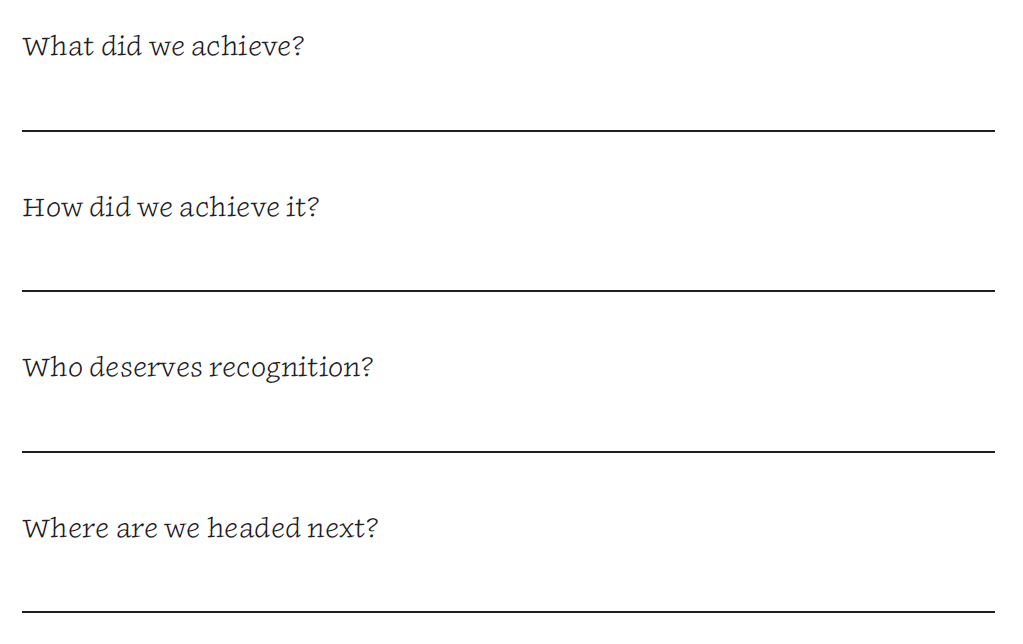
–        Celebrate and reward all milestones achieved.


–        Highlight the work behind these achievements.


–        Communicate activities leading up to the next milestone.


Your project competes for awareness, interest and engagement. Momentum is a way to stay relevant and maintain leader and employee commitment, focus and effort. You can build momentum through information and recognition. Make a big deal out of milestones achieved. Remind people of what the milestone is for, why it’s important, the hard work that went into achieving it and what’s required to accomplish the next one.

Establishing a rhythm and cadence of information-sharing and recognition will build support, and even excitement, around your project. People will be keen to contribute to its success because they will see it as a winner and a source of personal pride. Everyone wants to contribute to a winning team.

Small gifts have symbolic value because they are tangible reminders of achievement and appreciation for it. Being specific about contributions makes them more meaningful.


KNOWLEDGE BITES


COMMUNICATION PLANNER: How can I build momentum throughout the project with communication?


SUCCESS TIP

Book time in leaders’ calendars for all milestone updates at the beginning of the project to avoid schedule conflicts.


The Change on the Run: 44 Ways to Survive Workplace Uncertainty book is now available. Go to http://www.changeontherun.com or your favourite bookseller for more details.

#changemanagement #change #management #business #leadership #leadershipdevelopment #transformation #projectmanagement #teameffectiveness #engagement #changeontherun


Saturday, 20 March 2021

How to Make Change Stick

This post's podcast episode is available at SounderApple PodcastsGoogle PodcastsStitcher and Spotify.

When you are short of time, here is the one action that will give you 80 percent results in 20 percent of the time.

DO THIS

Reinforce the change with good and bad consequences as warranted.


BY DOING THIS

–        Get leaders to set consequences of changing and not changing.

–        Monitor compliance.

–        Make it easy for leaders to reward or reprimand people’s actions and behaviours.


It doesn't take long for people to revert to pre-change ways of working once the excitement of go-live fades and the project team disbands; the familiarity and comfort of past routines and behaviours is a greater motivator than the benefits gained from change. For many, consequences, both good and bad, are necessary to keep them on track. Being clear on what they are (e.g., good: leader praise, high performance rating; bad: leader feedback, low performance rating). Before launching the change, set expectations for everyone (including leaders).

Typically, people will test a leader’s resolve to enforce change by keeping one or two old practices. They will take on even more of them if they aren’t noticed or if there are no negative consequences. Before long, the continuity of new processes is lost. Quickly issuing consequences, both good and bad, will confirm that leaders are serious about the change and the need to support it.


KNOWLEDGE BITES


CONSEQUENCE SELECTION TOOL (check all the consequences that apply to your situation): What consequences will leaders support for good and bad behaviour?


SUCCESS TIP

Be clear on the consequences of supporting and not supporting the change before go-live so there are no surprises.


The Change on the Run: 44 Ways to Survive Workplace Uncertainty book is now available. Go to http://www.changeontherun.com or your favourite bookseller for more details.

#changemanagement #change #management #business #leadership #leadershipdevelopment #transformation #projectmanagement #teameffectiveness #sustainment #changeontherun

Thursday, 11 March 2021

How to Identify Project Lessons Learned

This post's podcast episode is available at SounderApple PodcastsGoogle PodcastsStitcher and Spotify.

When you are short of time, here is the one action that will give you 80 percent results in 20 percent of the time.

DO THIS

Ask people to tell stories about what worked well and what could be improved.


BY DOING THIS

–        Select a few people from across all stakeholder groups.


–        Ask them to identify three things that worked well and three that could be improved (and why).


–        Share key themes and associated quotes at leadership and project closure meetings.


Managing the closing of a change project is hard because most leaders and project team members have mentally moved on to their next roles and challenges.

A lessons-learned exercise at the end of a change project is essential for building change capability in your organization. It documents which activities worked and should be repeated by other project teams, and which didn’t and shouldn’t.

The best lessons-learned reviews include members of all stakeholder groups, including leaders, project team members and those going through the change. Ask representatives of each group to write down three things that worked and three that didn’t—and ask them to detail why. Themes will emerge that are best explained by verbatim quotes from the feedback providers.

Scheduling a leader review meeting at the beginning of the project creates an expectation of measurement and a commitment to learning. Booking this meeting into calendars months in advance will increase the likelihood it will happen.


KNOWLEDGE BITES


LESSONS-LEARNED SUMMARY TOOL: What lessons can I learn from this project?


SSUCCESS TIP

Give people examples of areas to assess, e.g., leader support, communication, training.

The Change on the Run: 44 Ways to Survive Workplace Uncertainty book is now available. Go to http://www.changeontherun.com or your favourite bookseller for more details.

#changemanagement #change #management #business #leadership #leadershipdevelopment #transformation #projectmanagement #teameffectiveness #changeontherun

Sunday, 7 March 2021

How to Build Cross-functional Alliances


This post's podcast episode is available on SounderApple PodcastsGoogle PodcastsStitcher and Spotify.

When you are short of time, here is the one action that will give you 80 percent results in 20 percent of the time.


DO THIS

Position the project as an organization-wide initiative.


BY DOING THIS

–        Link your project to the general business strategy.

–        Demonstrate how it will benefit each function.

–        Ensure cross-functional participation on all key project teams.


In our digital world, cross-functional alignment is essential during change projects because everything is connected. All big changes require every business area to support them through new ways of working. 

Most large changes have different benefits and drawbacks for each part of the organization. This means you must motivate groups with diverse perspectives to collaborate, share information and follow your plan. 

Positioning your change as a company-wide initiative raises its importance and provides a strong rationale for allocating resources to it. Educating each group about the benefits they will get will help ensure that all stakeholders are represented throughout the implementation. 


KNOWLEDGE BITES


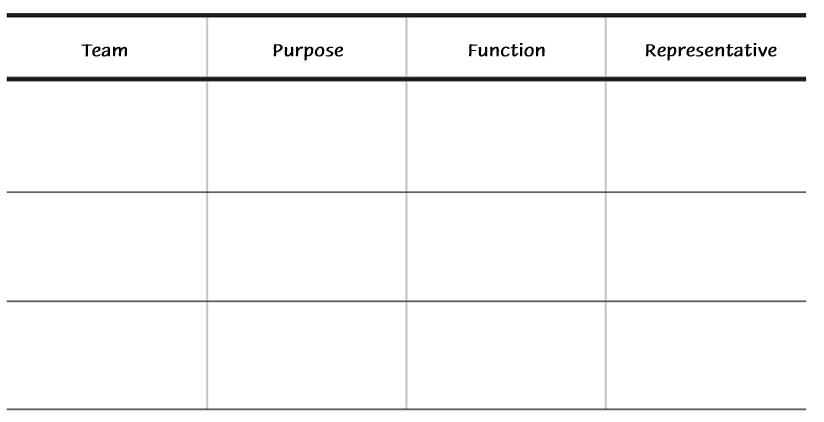
CROSS-FUNCTIONAL PARTICIPATION TOOL: What functions need to be on what project teams to ensure full participation?

SUCCESS TIP

Participation is easier to secure before the project team begins work.

The Change on the Run:44 Ways to Survive Workplace Uncertainty book is now available. Go to http://www.changeontherun.com or your favourite bookseller for more detail.

#changemanagement #changeleadership #change #management #business #leadership #projectmanagement #leadershipdevelopment #transformation #changeontherun

Developing a Business Case for Change


 This post's podcast episode is available on SounderApple PodcastsGoogle PodcastsStitcher and Spotify.

When you are short of time, here is the one action that will give you 80 percent results in 20 percent of the time.


DO THIS

Link your project to outcomes that leaders value.


BY DOING THIS

–        Identify the goals and strategies (set by leaders) your project can contribute to.

–        Estimate your project’s value based on input from internal experts and external reports.

–        Develop a story that illustrates these benefits.

A business case identifies the anticipated benefits of making a change and the investment required to implement it. Benefits include increased sales, profit and/or market share; decreased costs; greater customer service; and retention of talent. These gains need to be greater than the investment of resources required to secure them: money, time, skills and leadership attention.

The best business cases demonstrate how the proposed change will activate strategies chosen by leaders to achieve their goals. First, identify the published goals and strategies that the change can contribute to. Next, estimate the benefits and costs of your project as suggested by articles, case studies, etc. Finally, create a narrative that describes how the change will improve the organization.

Statistics by themselves do not make persuasive cases. Leaders and teams are more likely to support changes they can imagine. Painting pictures through stories and metaphors makes them tangible and relevant.


KNOWLEDGE BITES


BUSINESS CASE PLANNING TOOL: How can I justify my project?

SUCCESS TIP

Confirm with leaders that the objectives they previously set are still the most important to them.


The Change on the Run:44 Ways to Survive Workplace Uncertainty book is now available. Go to http://www.changeontherun.com or your favourite bookseller for more detail.


#changemanagement #changeleadership #change #management #business #leadership #projectmanagement #leadershipdevelopment #transformation #changeontherun

How to Build Your Confidence


This post's podcast episode is available on SounderApple PodcastsGoogle PodcastsStitcher and Spotify.

When you are short of time, here is the one action that will give you 80 percent results in 20 percent of the time.


DO THIS

Try to know more about the change initiative than most.

BY DOING THIS

–        Read the emails and study the presentations.

–        Set up a Google Alert for the type of change you’re involved in (e.g., adopting a new software program) to stay up-to-date on the latest information on the internet.

–        Participate in all relevant committees.


People perform at their best when they’re confident they’re doing the right thing. Without this confidence, their “fight, flight or freeze” response is triggered, and their thinking, actions and behaviours can be hijacked by the need for self-preservation. The best way to build your confidence is through knowledge. When you think, act and behave based on facts and data, you “know” what is probable versus guessing at what might be correct. Build your knowledge about the change by reading project plans and speaking with the project leader and team members (including consultants), so you know how to act and what to do.

Other organizations are going through similar changes. Learn from their experiences and apply this knowledge to your change project. Google Alerts will keep you current. Also, join project committees to expand your information sources. Soon, you’ll become an expert at your organization.


KNOWLEDGE BITES


CONFIDENCE VISUALIZATION TOOL: How will I look when I am speaking and sounding confident?

SUCCESS TIP

Practice these elements in a mirror to nail them before you need them!

The Change on the Run:44 Ways to Survive Workplace Uncertainty book is now available. Go to http://www.changeontherun.com or your favourite bookseller for more detail.

#changemanagement #changeleadership #change #management #business #leadership #projectmanagement #leadershipdevelopment #transformation #changeontherun

How to Change Your Culture


This post's podcast episode is available on SounderApple PodcastsGoogle PodcastsStitcher and Spotify.

When you are short of time, here is the one action that will give you 80 percent results in 20 percent of the time.


DO THIS

Convince leaders to identify and adopt the most important new behaviour that will enable the change.


BY DOING THIS

–        Identify the behaviour that will best enable the change.

–        Define how leaders will model it—what it looks, sounds and feels like.

–        Communicate stories of how leaders are demonstrating this behaviour.


All big changes require some form of culture change. This means modifying how people think, interact and behave. Your challenge is that these traits are deep-rooted and difficult to alter.

Since a culture is ultimately defined by leaders’ words, actions and behaviours, leaders must change themselves to change the culture. Identifying the most important new behaviour that will enable the change gives leaders and their teams a target to focus on. When leaders model this behaviour, they signal to employees the need to work differently to adopt the change. Profiling examples of leaders demonstrating new behaviours speeds up adoption by the people who report to or work with them. Furthermore, stopping a contrary behaviour quickens the transition toward the new one. For example, if collaboration across teams is the new behaviour, calling out information hoarding and poor communication reinforces the commitment to change how people work together.


KNOWLEDGE BITES


CULTURE CHANGE VISIONING TOOL: How will leaders demonstrate the most important new behaviour that will enable change?

SUCCESS TIP

Sharing an example of how the new behaviour contributed to a past success implies that some people already have it.

The Change on the Run:44 Ways to Survive Workplace Uncertainty book is now available. Go to http://www.changeontherun.com or your favourite bookseller for more detail.

#changemanagement #changeleadership #change #management #business #leadership #projectmanagement #leadershipdevelopment #transformation #changeontherun

Wednesday, 3 February 2021

How to Address Resistance


This post's podcast episode is available on SounderApple PodcastsGoogle PodcastsStitcher and Spotify.


When you are short of time, here is the one action that will give you 80 percent results in 20 percent of the time.

DO THIS

Address concerns head-on.


BY DOING THIS

–        Intently listen to concerns and objections.

–        State what people appear to fear in one sentence.

–        Honestly and openly communicate why this will or won’t happen, and what support they will get if it does.


It's natural for some people to resist change. The organization is asking them to exchange strongly held beliefs and routines for untested and uncomfortable ones. Resistance can take many forms—from indifference to not adopting new processes to sabotage—and you need to address all forms quickly or your progress will stall. People resist new ways of working for many reasons, including fear of the unknown, loss of control, being over-loaded, comfort with the present, disagreement with what’s new or lack of skills required to succeed.

The first step to minimizing resistance is to listen to people’s concerns intently. Their explanations will uncover their fears. Once identified, you can refute them by stating the facts (e.g., “No, we’re not moving the head office”), or explain why the change is necessary and what support will be provided (e.g., “We must move the head office to save money that will be reinvested in new product development. We’ll help you move”).


KNOWLEDGE BITES


OVERCOMING RESISTANCE PLANNER: What are the sources of resistance and how will I manage them?

SUCCESS TIP

Identify concerns during the planning stage to proactively address sources of fear and mitigate implementation risks.


To learn about the Change on the Run book go to http://www.changeontherun.com. Pre-order bonuses are available from February 2 - March 2.