Showing posts with label #busniess. Show all posts

Monday, 26 September 2022

How to Handle Mistakes


 This post's podcast episode is available at SounderApple PodcastsGoogle PodcastsStitcher and Spotify.

When you are short of time, here is the one action that will give you 80 percent results in 20 percent of the time.


DO THIS

Own the mistake and how to correct it.


BY DOING THIS

–  Take accountability quickly.

–  Share steps to correct it and the help you need.

–  Detail what you learned and will do differently.


Mistakes are inevitable when managing change. There are too many moving pieces on different schedules and run by different people to avoid missteps.

Given the stress (and fear) that major change initiatives inevitably produces, people can default to responses that deflect ownership, compromise resolution, and obscure learning when something goes wrong. This behaviour often adds risk to the project and damages relationships. A better and more difficult approach is to expect and address mistakes as they appear.

Taking accountability for a mistake, especially in public, will set you apart. People will remember how calmly you handled the situation and soon will forget about the mistake. 

First, take ownership of the mistake. Next, state what you are doing to correct it. Talking about the solution focuses people on the path to correction vs. the actual mistake. Close off your comments by sharing what you learned and what you will do differently in the future.


KNOWLEDGE BITES


MISTAKE CORRECTION PLANNING TOOL: What are the steps I need to take to correct the mistake?


SUCCESS TIP

Don’t explain in detail why you did what you did. It’ll sound like you’re making excuses and take focus away from how you are fixing the mistake.

For more stories, insights and advice, listen to the Handling Mistakes podcast episode with executive and change leader Michelle Yanahan.

Phil Buckley is the author of Change on the Run and  Change with Confidence, host of the  Change on the Run Podcast, and co-creator of the  Sharing Change with Confidence Newsletter.

#change #changemanagement #transformation #leadership #projectmanagement #mistakes #podcasts 

Thursday, 30 December 2021

How to Address an Emergency


This post's podcast episode is available at SounderApple PodcastsGoogle PodcastsStitcher and Spotify.

When you are short of time, here is the one action that will give you 80 percent results in 20 percent of the time.


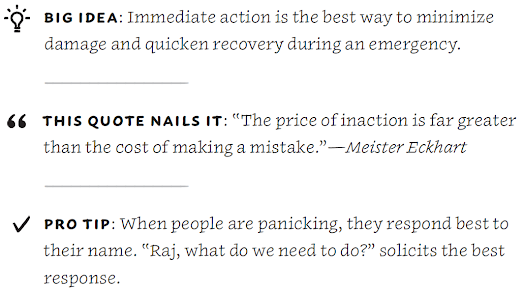
DO THIS

Be the first to respond.


BY DOING THIS

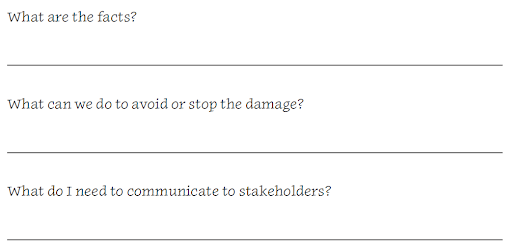
–      Get the facts.

–      Determine what’s required to stop damage.

–     Communicate the specific steps being taken (to get back to normal).


Too often, people panic during an emergency. The “fight, flight or freeze” response kicks in, emotions flare up and reactions intensify. With all this commotion, most people don’t focus on addressing the crisis, assuming others will take the lead.       

Emergencies are excellent opportunities to take charge and show what you’re capable of. First, figure out what needs to happen to stop the damage. Speak to those closest to the situation to gather facts. Discuss options, gain agreement and then suggest who’s best to activate the option you’ve agreed on.

Once you neutralize the situation, identify the steps needed to return to normal operations. After getting agreement, communicate the recovery plan to leaders and others. Afterward, review what worked and what didn’t to guide how you’ll respond to future situations.             

KNOWLEDGE BITES


EMERGENCY RESPONSE TOOL: How will I respond to an emergency?


SUCCESS TIP

Speak to key leaders in person to immediately answer questions and avoid misunderstandings or knee-jerk responses.


The Addressing an Emergency podcast episode with business and market development expert David Donaldson.

Phil Buckley is the author of Change on the Run and Change with Confidence, host of the Change on the Run podcast, and co-creator of the Sharing Change with Confidence Newsletter.

#change #changemanagement #business #transformation #leadership #emergencymanagement #podcasts

Thursday, 16 December 2021

How to Create a Plan B

This post's podcast episode is available at SounderApple PodcastsGoogle PodcastsStitcher and Spotify.

When you are short of time, here is the one action that will give you 80 percent results in 20 percent of the time.


DO THIS

Define your next best option.


BY DOING THIS

–      Agree on what is the best response if Plan A doesn’t work.

–      Map the steps to take if a serious risk materializes.

–     Review Plan B with people who have a role to play.


“Always have a backup plan (a ‘Plan B’),” is a good rule to follow for all important activities. Most plans don’t go as intended because there are too many variables to predict. Variances can cause delays, extra costs and compromised credibility.

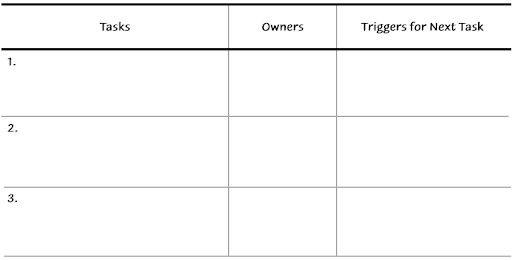
A good Plan B manages the impacts of things not going as intended. Thinking through what could go wrong and the best response to them will avoid major disruption from unanticipated events. Ask people who have roles in Plan A how they would operate if a specific risk materialized. The answers will identify the actions that form your Plan B. For each action, record when it happens and who is responsible. Review the steps with everyone so people will know what happens immediately before and after their actions.


KNOWLEDGE BITES


RESOURCE ASSESSMENT TOOL: How many resources do we need to complete the task or project?


SUCCESS TIP

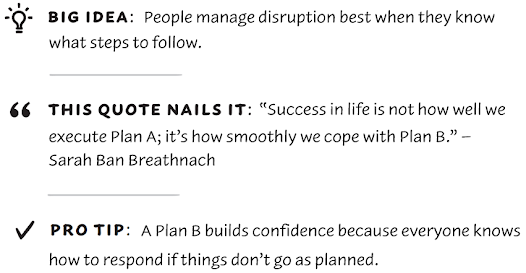
Communicate what event will trigger the backup plan so everyone is clear on when it is in effect.


The Creating a Plan B podcast episode with business and market development expert David Smyth.

Phil Buckley is the author of Change on the Run and Change with Confidence, host of the Change on the Run podcast, and co-creator of the Sharing Change with Confidence Newsletter.

#change #changemanagement #business #transformation #leadership #contingencyplans #podcasts

Wednesday, 4 August 2021

How to Engage Leaders During Change


 This post's podcast episode is available at SounderApple PodcastsGoogle PodcastsStitcher and Spotify.

When you are short of time, here is the one action that will give you 80 percent results in 20 percent of the time.


DO THIS

Demonstrate how the change will further their agenda.


BY DOING THIS

–        Ask leaders how the project can support their agenda.

–        Suggest other ways it can do so.

–        Monitor and report progress on these things.


Leaders are primarily measured on their function’s objectives. This means their focus, energy and support weigh toward their own accountabilities.

The most effective way to engage leaders in supporting you is to align your project’s agenda with their functional objectives. This creates a win-win dynamic where leaders are motivated to support your project’s progress because it helps them achieve personal goals. They are more likely to believe in their analysis of possible connections, but you can complement their views with others they aren’t aware of. Keep these connections top-of-mind for leaders by providing them with frequent project updates in the format they prefer, highlighting how their functional agenda is being served through project advances. 


KNOWLEDGE BITES


GOAL ALIGNMENT CHART: How can I align my project outcomes with my leaders' functional priorities?


SUCCESS TIP

Speak with your leaders’ team members to understand their functional priorities and the language they use to describe them before holding alignment discussions.


The Change on the Run: 44 Ways to Survive Workplace Uncertainty book is now available. Go to http://www.changeontherun.com or your favourite bookseller for more details.

#changemanagement #change #management #business #leadership #leadershipdevelopment #transformation #projectmanagement #presentationskills #engagement #changeontherun

Thursday, 1 July 2021

How to Tell People What to Expect


 This post's podcast episode is available at SounderApple PodcastsGoogle PodcastsStitcher and Spotify.

When you are short of time, here is the one action that will give you 80 percent results in 20 percent of the time.


DO THIS

Always be the best source of information.


BY DOING THIS

–        Communicate early and often.

–        Speak from the audience’s perspective.

–        Share everything you can, honestly (don’t spin).


Communication is the most important form of support people receive when going through a work transition. It’s also one of the biggest enablers of successful change because it aligns everyone on their understanding of what’s changing, why it’s necessary, how it will affect them and what they must do to adopt it. 

Setting up a frequent and consistent communication schedule creates the expectation that people will receive regular updates from leaders and the project team. Communicating honestly in ways that your audience can relate to creates the perception that these messages are the best sources of information. You must regularly communicate even when there is nothing new to share. If you don’t, rumours and speculation fill the void, and such counter-narratives will seem credible, distract people and increase anxiety.


KNOWLEDGE BITES


AUDIENCE PROFILE ASSESSMENT TOOL: What are my audience's communication preferences?


SUCCESS TIP

Test your messages with a few members of your audience to avoid (or at least be prepared for) adverse reactions.


The Change on the Run: 44 Ways to Survive Workplace Uncertainty book is now available. Go to http://www.changeontherun.com or your favourite bookseller for more details.

#changemanagement #change #management #business #leadership #personaldevelopment #engagement #communication #podcasts #changeontherun

Thursday, 10 December 2020

How to Create a Vision for a Change


The podcast episode of this post is available on SounderApple PodcastsGoogle PodcastsStitcher and Spotify.

When you are short of time, here is the one action that will give you 80 percent results in 20 percent of the time.


DO THIS

Describe a different, better and compelling future.


BY DOING THIS

Identify how the post-change world is:

–        Different

–        Better

–        Compelling


Provide a compelling picture of a better future, a future that aligns with this leadership question: “What does the company aspire to become?” Once this is set, it acts as a North Star to align goals, strategies and the resources to achieve them.


Effective visions paint a picture of a different, better and compelling future that the organization and its employees will benefit from. Presenting the business need for these desired outcomes is necessary because it justifies the changes required to achieve it. People also need to know how the changes will affect them. Without this information, they’re likely to believe and fear worst-case scenarios and make faulty assumptions.


Outlining people’s roles (attending training sessions, testing a new process, etc.) in adopting the change is important when sharing the vision. Being clear about what they need to do for the change to be successful gives them a sense of purpose and reminds them that their contributions are important.


KNOWLEDGE BITES


CHANGE VISION PLANNER: What's my change vision?


SUCCESS TIP

Describing how people will work in the future helps them conceptualize the benefits they will gain, and the changes required to make it a reality.


#change #changemanagement #changeleadership #leadership #business #management #changeontherun

Thursday, 26 November 2020

How to Create a Change Champion Network


The podcast episode of this post is available on SounderApple PodcastsGoogle PodcastsStitcher and Spotify.

When you are short of time, here is the one action that will give you 80 percent results in 20 percent of the time.


DO THIS

Make membership desirable to trusted and respected peers.


BY DOING THIS

–        Ask leaders to appoint trusted and respected representatives.

–        Position the network as a leadership group.

–        Reward participation by including it in personal annual objectives.


Change champions (or agents) are respected and trusted people whose views and actions influence their peers. They help shape how people see the company.

A Change champion network organizes these highly regarded individuals into a team to support the change through spreading information, articulating benefits, role modeling new ways of thinking and providing feedback on how people are feeling. Through regular briefings, they act as your arms and legs throughout the organization as you implement a change plan.

To attract the best, you need to make the network a group that people want to be part of. Ideally, you will have leaders nominate members, so they buy into the network and support the time required to participate. Profiling this group to all employees and acknowledging their efforts by including membership in personal annual goals motivates members to fulfill their role with enthusiasm.


KNOWLEDGE BITES


CHANGE CHAMPION NETWORK PLANNER: Who needs to be a member of my change champion network?


SUCCESS TIP

Ensure all groups affected by the change are represented to maximize influence and avoid a slight that could cause resistance.